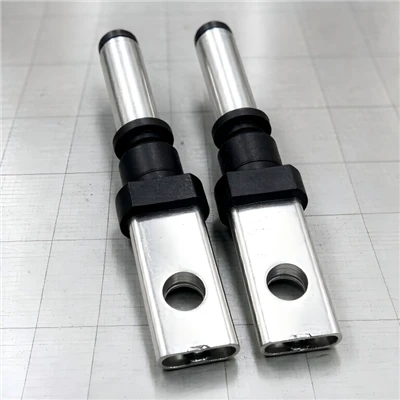
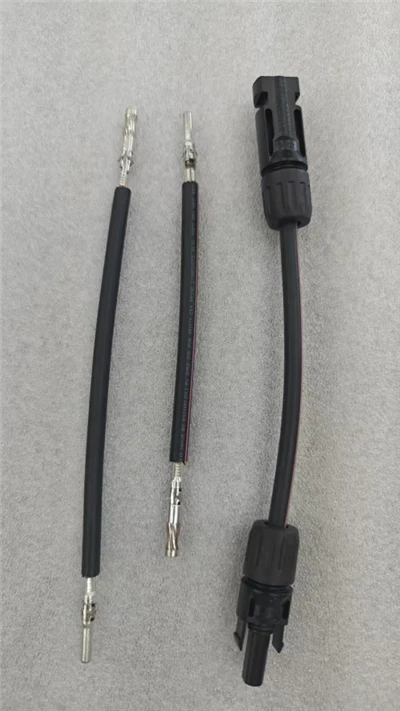
Conductive Pads: Typically made of copper or copper alloy, with tin or nickel plating to improve conductivity and corrosion resistance.
Insulating Base: Engineering plastics such as PA66 and PC, with a flame retardant rating meeting UL94 V-0 standards.
Fastening Mechanism: Screws, springs, or cold-pressed structures ensure reliable contact between the wires and the conductive pads.
Extended Functions: Some models integrate test holes, shorting tabs, or marking strips to improve maintenance efficiency.
Structural Differences: Connectors emphasize modular and standardized design for rapid replacement in different application scenarios; terminal blocks focus on the convenience and stability of wire connections, with a relatively simplified structure.