


JDE Automotive Technology Co., Ltd. is one of the most reliable manufacturers and suppliers of high-current battery terminal in China. Please rest assured to buy bulk discount high-current battery terminal from our factory. If you have any enquiry about customized service, please feel free to email us.
High-Current Battery Terminal - We Make Them in Dongguan, Not a Catalog
This page is for buyers who are tired of getting a PDF catalog and a "fast delivery" line. If you want to know what a high-current battery terminal actually looks like coming out of a Chinese stamping shop - keep reading.
We're not here to sell you the cheapest part. We're here to sell you the part that doesn't fail on a forklift battery in year two.
The Part, Broken Down
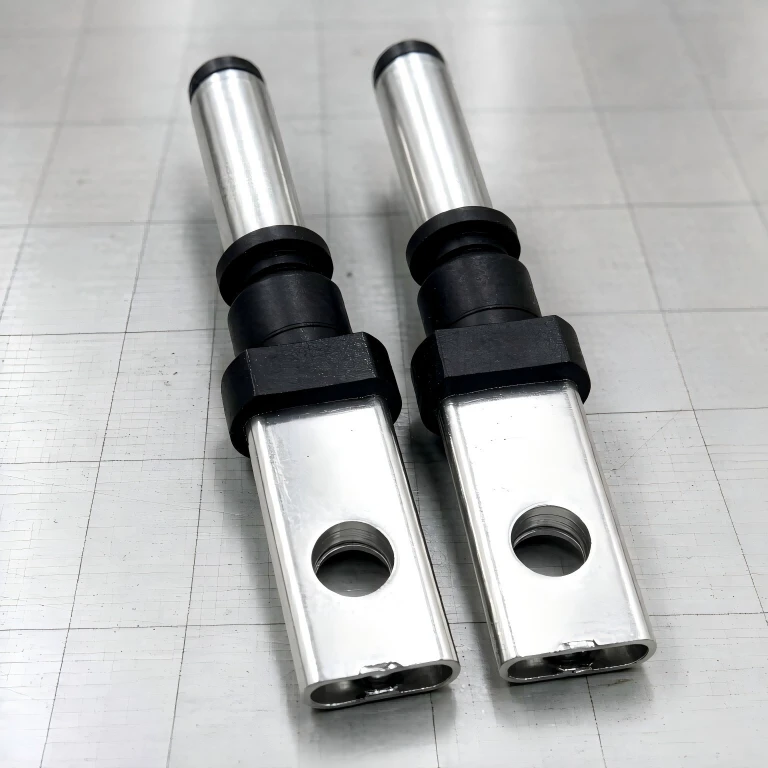
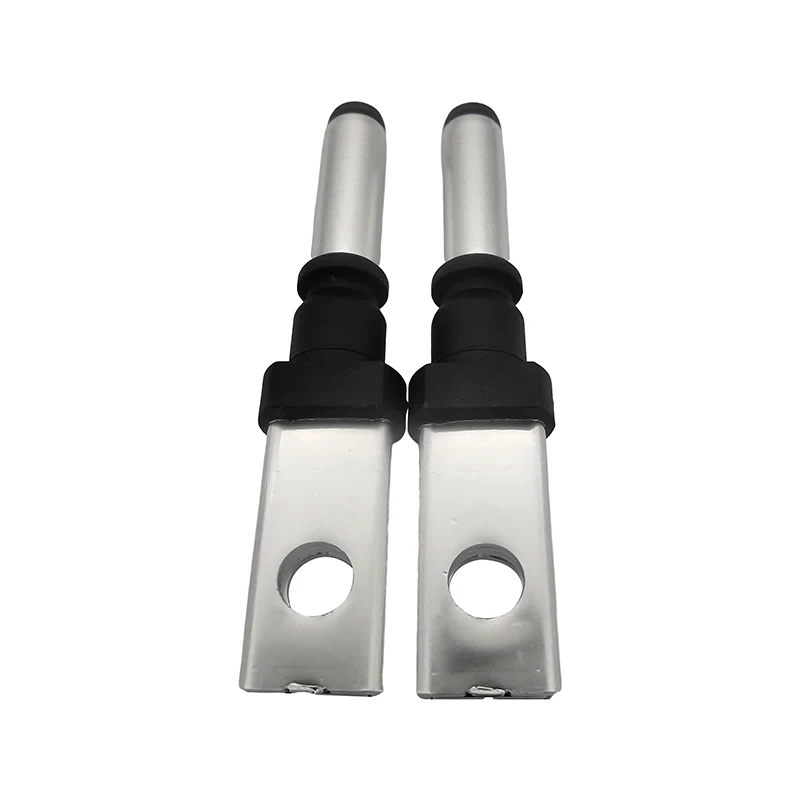
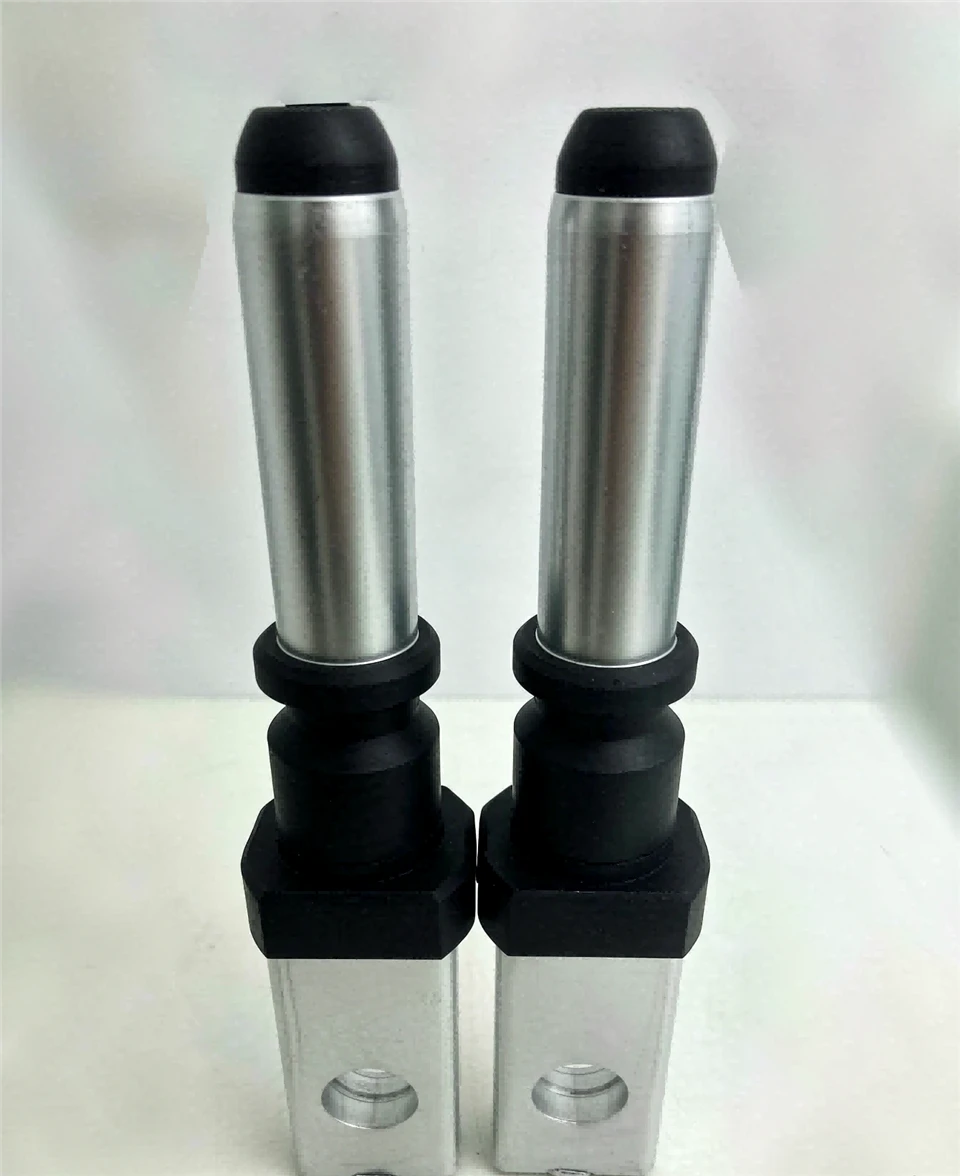
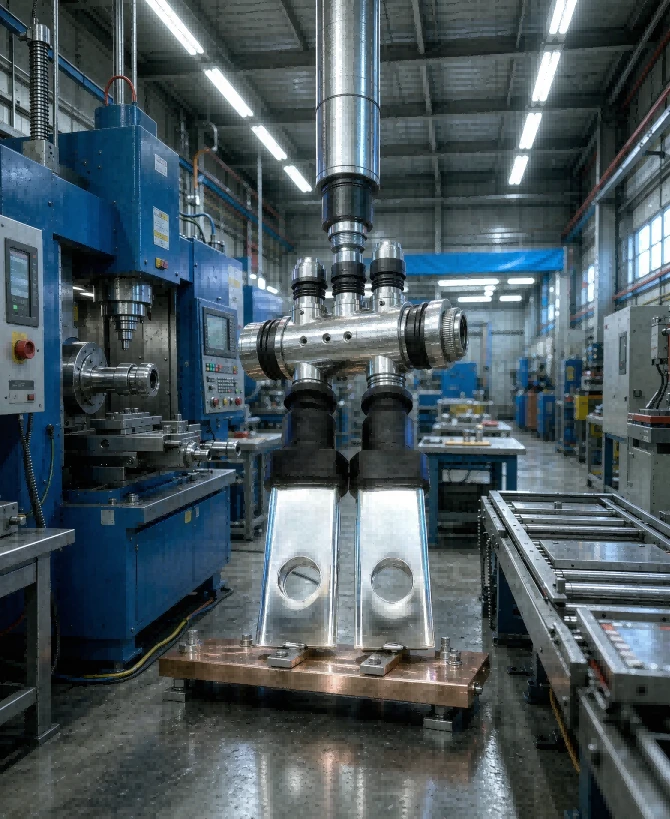
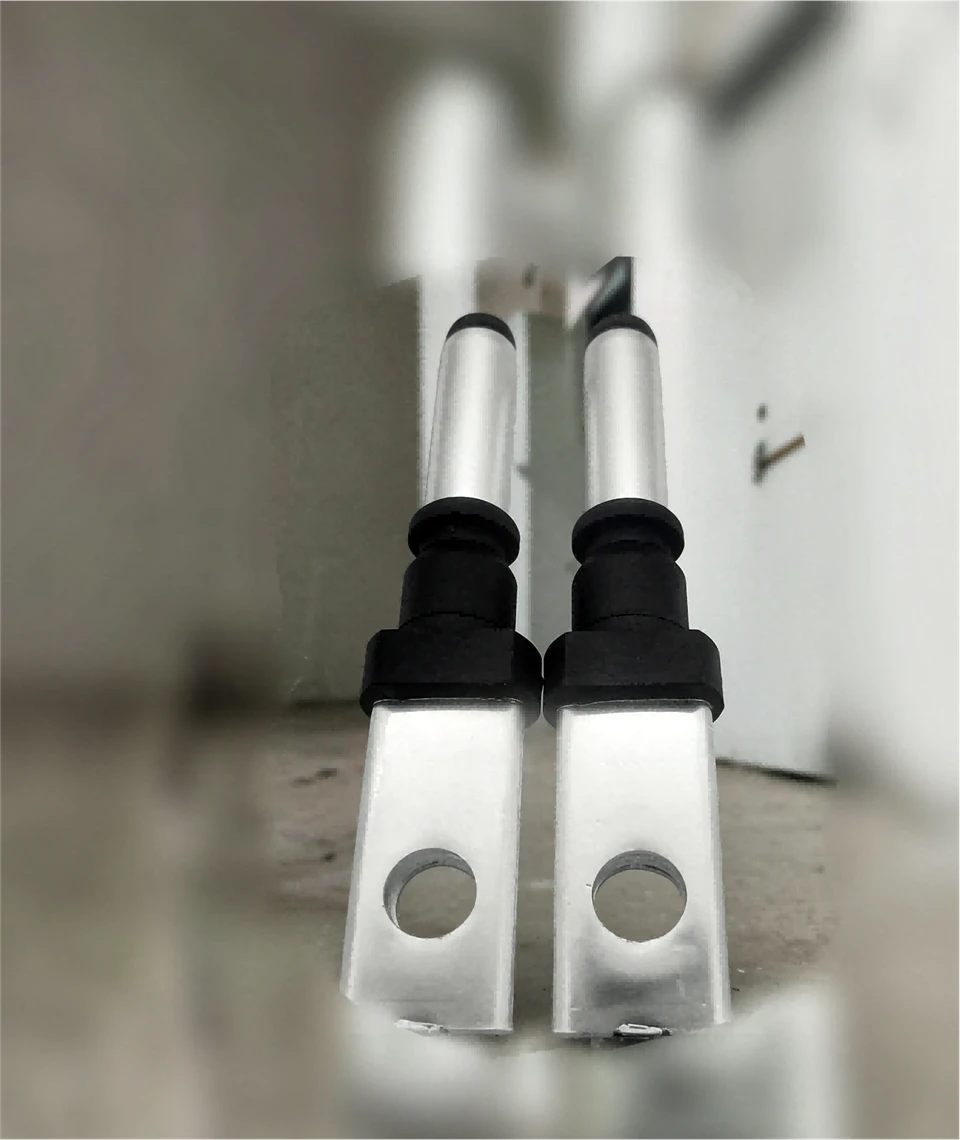
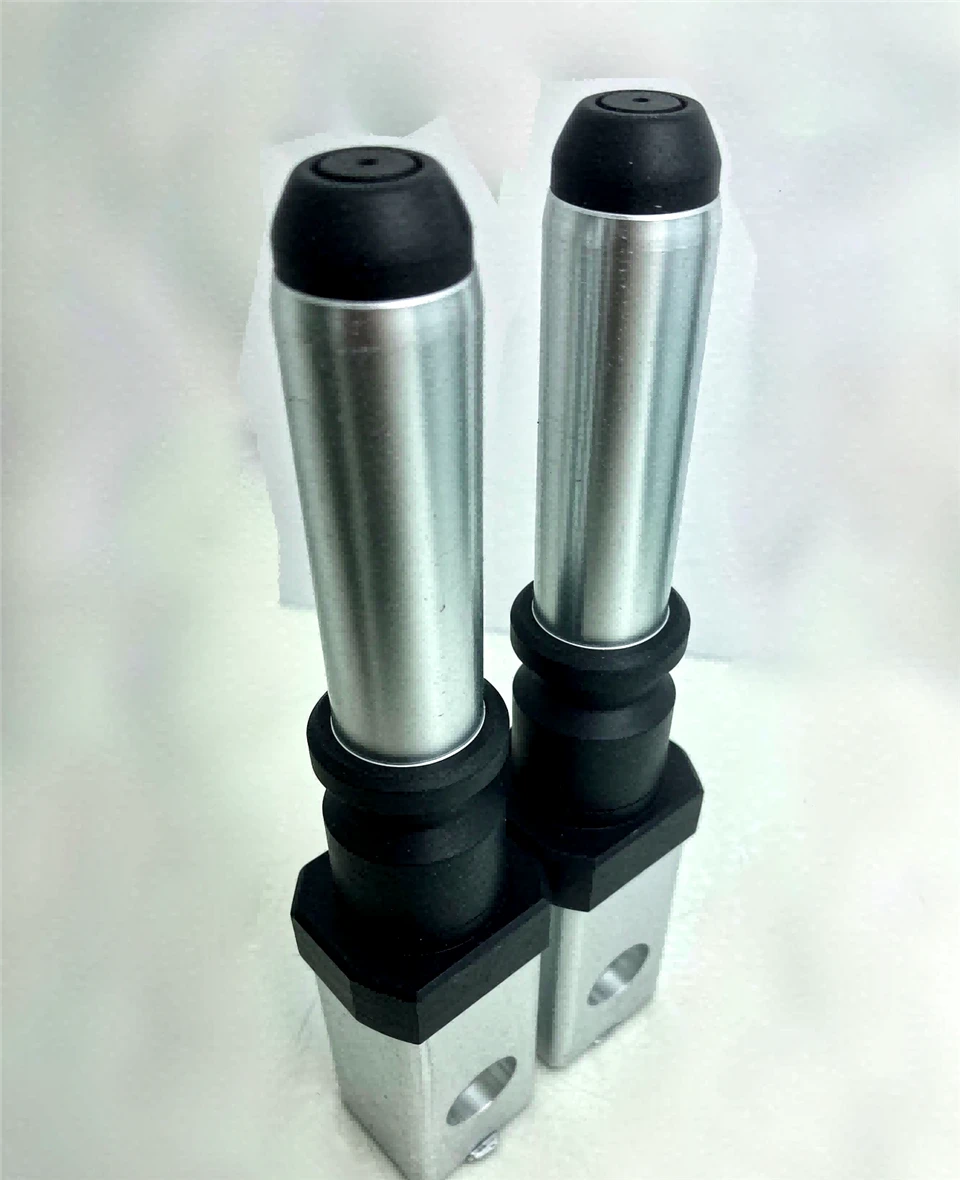
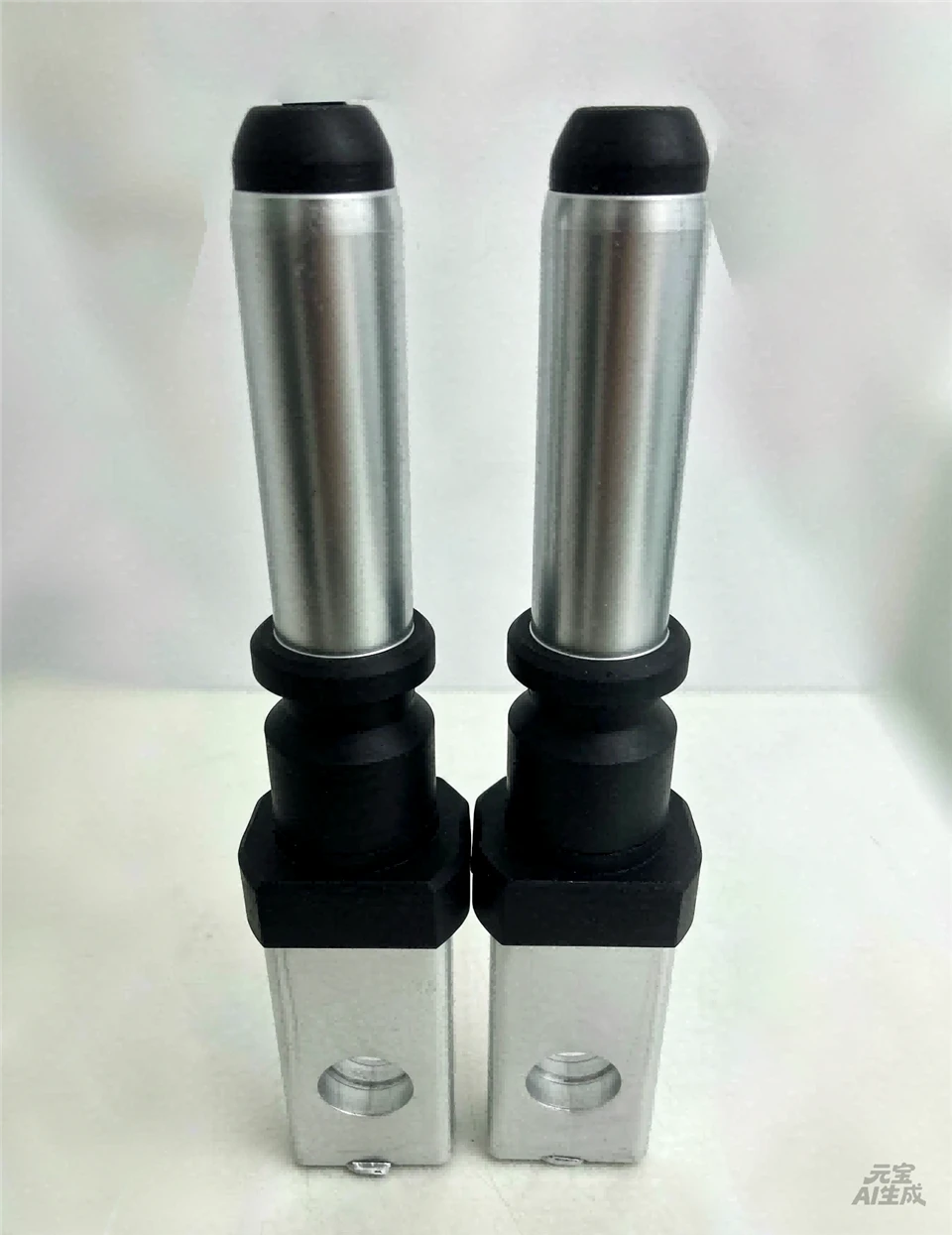
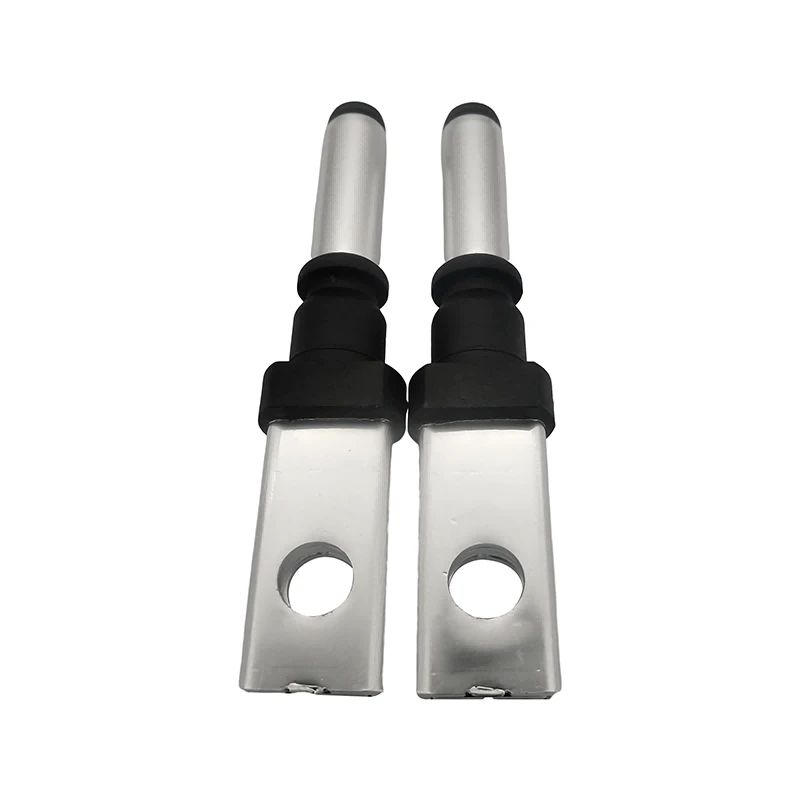
Picture a copper square plate with a hole in it. On one side, that hole goes over your battery stud and gets tightened with a nut. On the other side, a cylindrical pin sticks out - that's the part that slides into a socket or busbar. In between, there's a black rubber boot. That boot isn't decoration. It keeps water, dust, and your wrench from shorting the terminal when you're working on the truck.
That's the whole idea. Simple. But the devil is in the material and the crimp.
We stamp the body from T2 copper (C1100) or H62 brass. Standard finish is tin-plated - about 3–5μm thickness. If your application runs hot (engine bay, near exhaust), we'll suggest nickel. If it's a high-current ESS rack where every milliohm matters, silver plating is on the table. We're not going to push silver on a golf cart battery. That's just wasteful.
The rubber boot is NBR as default. It'll handle -40°C to +125°C without cracking. For marine or outdoor ESS, we swap to EPDM. Had a customer in Norway complain about PVC boots splitting after one winter - we don't use that stuff anymore. Lesson learned the hard way, three years ago.
What Sizes Do We Actually Keep on the Shelf?
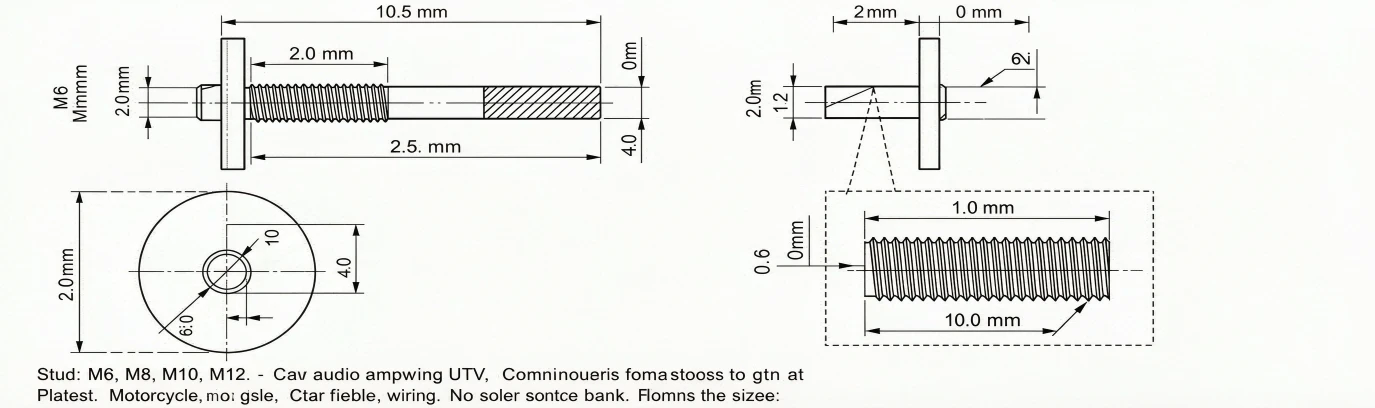
Not everything, and we're not pretending to. Here's what we run weekly:
|
Stud |
Cable |
Plate |
Where It Goes |
|---|---|---|---|
|
M6 |
4–10 mm² |
2.0mm |
Motorcycle, UTV, car audio amp wiring |
|
M8 |
16–35 mm² |
2.5mm |
Car dual-battery, RV house bank |
|
M10 |
35–70 mm² |
3.0mm |
Truck starter, forklift, small ESS rack |
|
M12 |
70–120 mm² |
4.0mm |
AGV main circuit, solar storage cabinet |
If your spec isn't on this list, don't panic. We modify tooling or build from sample. More on that below.
One thing we won't do: claim a φ8 pin with 35mm² cable can handle 500A continuous. It can't. Anyone who tells you otherwise is either guessing or lying. Tell us your continuous load and peak, we'll spec the right size. No overselling.
Where These End Up
We ship to a mixed bag of customers. Some context on who's buying what:
Truck fleets in Poland and Turkey - they need M10, 70mm², thick plate, vibration-resistant. Their roads are rough. Terminal loosens after 6 months on a cheap crimp? That's a roadside breakdown. We do pull tests at ≥200N per terminal before the batch ships. Not every batch gets tested to destruction, but first-article and in-process checks are standard.
EV conversion shops in Germany - they want orange boots. Not because orange conducts better, but because German regulations (and common sense) say "high voltage, stay away." We laser-mark the boot with their logo if the order hits 2,000 pcs.
Solar ESS installers in South Africa - load-shedding is real there. They're building 48V racks in garages. M10, 50–95mm², sealed, flame-retardant boot. We've had one warranty claim in two years from that market. A boot tore during installation because the guy used a knife to cut the zip tie. Not our fault, but we sent replacements anyway.
Forklift battery rooms in Southeast Asia - quick-swap application. The terminal needs a tapered guide edge so the pin slides in without the operator lining it up by eye. We added a 15° chamfer to the pin tip for one customer in Bangkok. Cost us nothing in tooling, saved their guys 10 seconds per battery change. Small change, big deal on the floor.
Specs (The Boring Part, But You Need It)
|
Item |
Detail |
|---|---|
|
Base material |
Copper T2 / Brass H62 |
|
Plating options |
Tin 3–5μm / Nickel 5–8μm / Silver 3–6μm |
|
Stud hole |
M6 / M8 / M10 / M12 (fine thread on request) |
|
Cable range |
4–120 mm² |
|
Plate thickness |
2.0 / 2.5 / 3.0 / 4.0 mm |
|
Pin diameter |
φ6 / φ8 / φ10 / φ12 mm |
|
Pin length |
15–30 mm (custom per sample) |
|
Boot |
NBR standard / EPDM optional / Silicone on request |
|
Boot color |
Black / Red / Blue / Orange |
|
Temp range |
-40°C to +125°C |
|
Salt spray |
48hr (tin) / 96hr (nickel) / 24hr (silver, not recommended for salt) |
|
Compliance |
RoHS, REACH |
Custom Work - How It Actually Goes
We're not a catalog house. We're a Dongguan factory with about 40 stamping presses, 2 plating lines (tin and nickel), and 6 crimping stations on the floor. Monthly output on terminals alone runs around 800,000 pcs across all SKUs. Not huge by Chinese standards, but big enough that your 5,000 pcs won't get lost in the schedule.
The process is straightforward:
You send a photo of your old part, or a drawing, or just a sketch on a napkin. We've seen all three.
Our engineer replies within 24 hours with: can we match it, do we need a new mold, what's the plating recommendation.
Sample in 5–7 days. We crimp it onto the cable you specify, send you photos of the pull test.
You test it in your application. If it's wrong, tell us what to change. We re-sample. No extra tooling fee for minor mods.
Mass production: 10–15 days for most orders under 20,000 pcs. We send production photos before the goods leave the factory. Not a "shipping notice" email - actual photos of your parts on the inspection table.
MOQ is 500 pcs for standard items. Below that, we'll do it, but the unit price won't be pretty. We'd rather you test 500 and reorder than sit on 5,000 you can't use.
How We Pack These (So They Don't Show Up Looking Like Scrap Metal)
Packaging sounds boring until your $3,000 order arrives with every terminal scratched, the rubber boots crushed, and the tin plating oxidized because the carton sat in a Guangzhou warehouse for three weeks in July. We've had that happen. Won't name the forwarder. Lesson learned.
Here's what we actually do now:
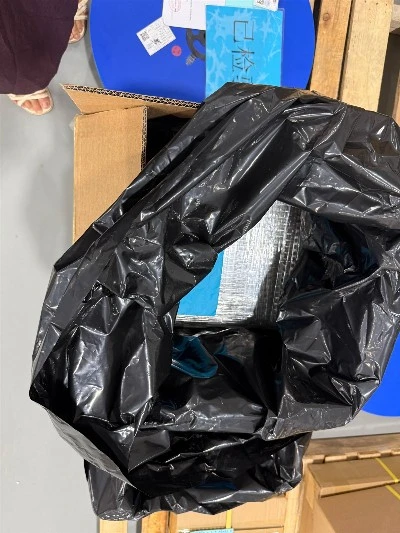
Inner pack - anti-oxidation first. Each terminal gets individually bagged in black anti-light PE bags (thickness 0.08mm, light-blocking rate ≥95%). The black film isn't for looks - it cuts UV exposure during transit and slows down surface oxidation on tin-plated parts. For silver-plated terminals we go one step further: anti-tarnish paper inside the bag, because silver + sulfur in the air = black stain, and no buyer wants to see that on arrival.
Mid pack - keep the shape. Bagged terminals go into compartment trays (PP material, 500g load capacity) so the pins don't bend during ocean shipping. For bulk orders over 5,000 pcs, we use blister cards or strip-bandolier packing - terminals locked in place, pull one out, the rest stay put. This matters if your assembly line uses auto-insertion machines.
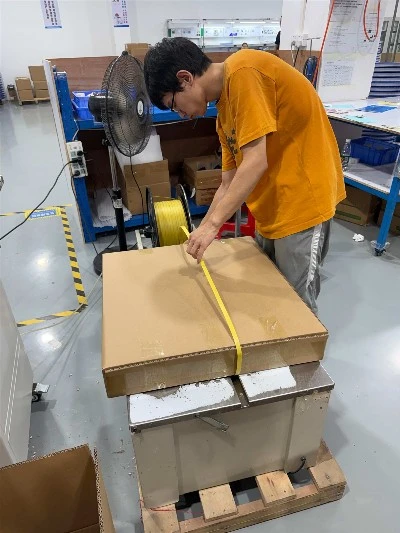
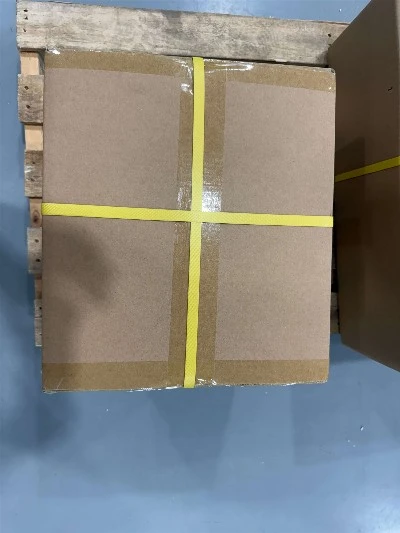
Outer pack - survive the ocean. Trays go into 5-layer corrugated cartons (K=K grade, burst strength ≥1400kPa). Each carton gets silica gel desiccant packs (2g × 4 bags) taped to the inner wall. Carton sealed with pressure-sensitive tape, then stretch-wrapped on a plywood pallet. Pallet wrap is UV-resistant stretch film, minimum 3 wraps bottom, 2 wraps top. Gross weight per carton capped at 15kg - any heavier and the carton bottom gives out when stacked three high in a 40HQ container.
Labeling - your warehouse team will thank us. Every carton gets: product part number, lot number, quantity, plating type, date of manufacture, and a barcode (Code 128). If you use a WMS system, send us your label template and we'll print it. No extra charge for standard label formats.
Special request? We've done vacuum packing for one German customer (moisture-sensitive application), and anti-static bags for an EV client. Just tell us what your receiving warehouse requires. We're not going to argue with your QC checklist.
Related Products You Might Need
If you're building a battery harness, you probably also need:
Automotive connector - for the signal side of your BMS
Automotive wiring harness - we build the whole loom, not just the terminal
Terminal connector - crimp terminals for the other end of that cable
Waterproof connector - for outdoor ESS enclosures
High temperature terminal - if your terminal sits near an inverter or motor
One More Thing About the high-current battery terminal Market
There's a lot of cheap stuff coming out of China right now. Copper-clad aluminum passed off as solid copper. Tin plating so thin you can scratch through it with a fingernail. Rubber boots that smell like a tire fire and crack in six months.
We're not the cheapest. Our high-current battery terminal is priced about 15–20% above the absolute bottom of the market. But when you factor in warranty returns, downtime, and the cost of a service call to replace a failed terminal on a truck in Romania, we're cheaper. The math works out.
If you want the absolute lowest price, we're not your supplier. If you want a part that shows up, fits, and doesn't fail in year one, send us that photo.
FAQ
Q: Do you have UL certification?
A: RoHS and REACH as standard. UL/TUV on request - we've done it for two customers, but it adds about $2,000–3,000 in testing fees and 4–6 weeks. For most industrial buyers, RoHS is enough. Tell us what your end market requires.
Q: What's your actual lead time right now?
A: As of this writing (September 2026), sample 5–7 days, small batch 7–15 days, mass production 15–25 days depending on plating line capacity. Chinese New Year shuts us down for 2–3 weeks - plan ahead if your order is Q1.
Q: Can I get a sample before committing?
A: Yes. We charge for samples if it's a new mold. For standard items, we'll send 2–3 pcs free, you cover courier. DHL or FedEx, your account or ours.
Q: What if the sample doesn't fit?
A: Send it back with a note about what's wrong. We re-work the tool or adjust the print and send a second sample at our cost. Happens maybe 1 in 20 custom jobs. Not perfect, but we fix it.
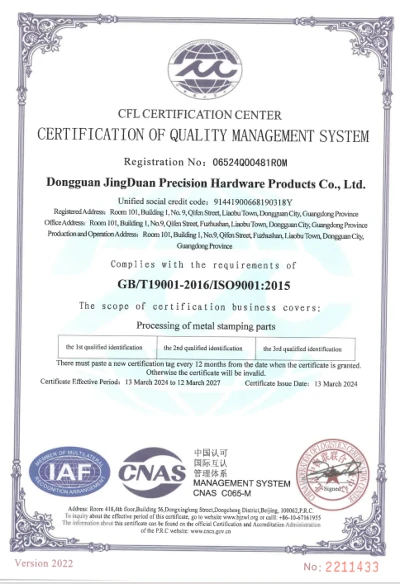
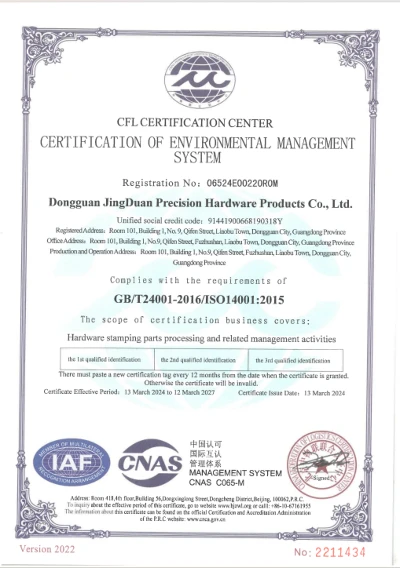
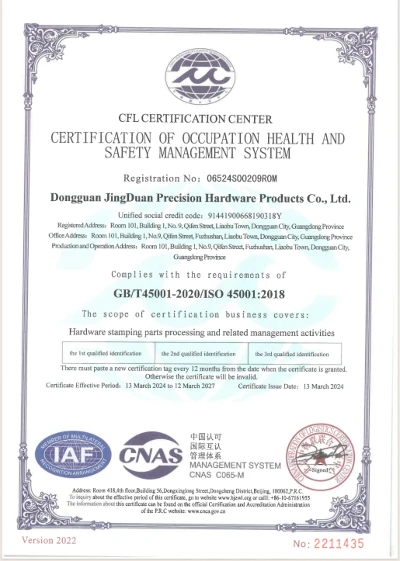
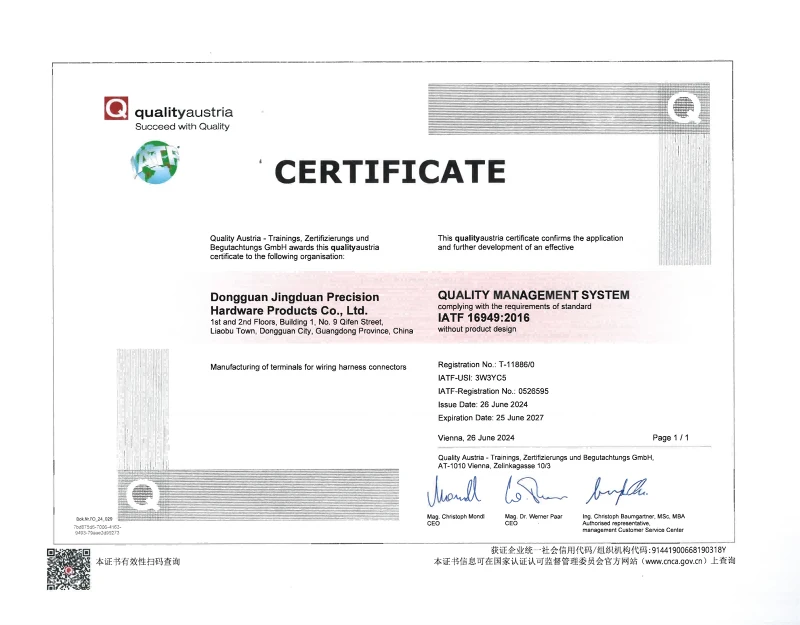
Hot Tags: high-current battery terminal, China high-current battery terminal manufacturers, factory


