H2: What We Build
High-current terminals stamped from high-conductivity copper alloys
Silver or tin plated contacts with controlled thickness
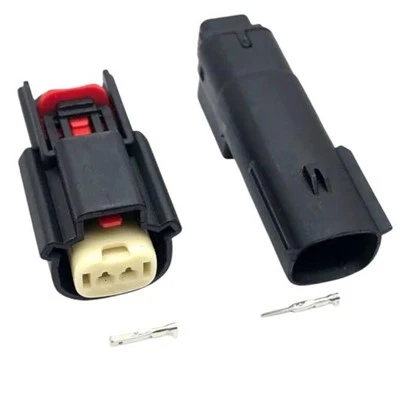
Integrated connector housings molded from flame-retardant engineering plastics
Custom busbar and terminal assemblies for module and rack connections
H2: Plating Recommendations
Silver plating is what we recommend for high-current terminals where corrosion resistance and stable contact resistance matter. It costs more than tin, but the contact resistance stays stable over time. For less demanding applications, tin over nickel is a reasonable compromise. We recommend based on your service life and environment.
H2: Tested for the Environment
We run salt spray testing, thermal cycling, and humidity testing on energy storage terminal projects. The test reports ship with the project. If a supplier can't show test data, they haven't done the validation.
H2: FAQ
What makes energy storage terminals different from automotive terminals?
The environment. Energy storage terminals face wider temperature swings, higher humidity, and UV exposure over a 10-20 year service life. Plating and housing materials have to be selected for that.
What plating do you recommend for energy storage terminals?
Silver for high-current terminals where corrosion resistance matters. Tin over nickel for less demanding applications. We match the recommendation to your environment and service life.
What testing do you run?
Salt spray, thermal cycling, and humidity testing. Test reports are provided with the project.
CTA: Send us your drawing, current rating, and environmental requirements. We'll recommend plating and alloy and quote it straight.
Contact JDE Auto: www.jdecontact.com | www.jdeauto.com