The wire terminal is hidden, but it carries the connection
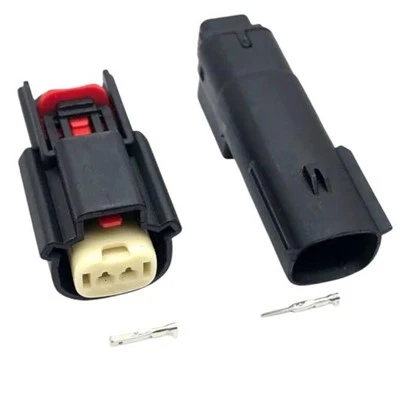
When a finished connector is installed, the housing is what people see. The wire terminal is usually hidden inside.
That small metal component is doing the electrical work. It must connect to the conductor, remain locked in the housing and mate correctly with the opposing contact.
For that reason, wire terminals and crimp connectors should be developed as a system. Wire, terminal, crimp tooling and housing all affect the final connection.
Start with the wire
Wire size and construction are usually the first practical inputs for terminal selection.
The conductor, insulation diameter and application determine what kind of barrel and insulation support are needed. Two wires with a similar cross-sectional area can still behave differently during crimping.
Giving the terminal manufacturer the real wire specification early reduces assumptions and makes crimp development more realistic.
A crimp connector depends on controlled deformation
A crimp works because the terminal is deliberately deformed around the conductor.
The goal is not simply to squeeze the wire. The finished crimp needs mechanical retention and a reliable electrical path without damaging the conductor.
That is why crimp height, tooling condition and terminal geometry matter. A terminal that requires frequent adjustment is not a good production terminal even if its first samples look good.
The terminal and housing have to fit each other
The terminal cannot be designed independently from the connector housing.
The locking feature needs to retain it. The contact needs to sit at the correct height. The mating interface needs to align. A small change in the terminal can therefore affect the housing, and a housing change can affect the terminal.
Materials and plating
Copper alloys are common for automotive terminals because they provide a useful combination of conductivity and mechanical properties.
Plating is selected according to the application. Corrosion resistance, contact stability, mating durability and environmental conditions may all influence the choice.
There is no universal material-and-plating recipe. The right combination depends on what the connector actually has to do.
Where precision metal stamping fits
Wire terminals are well suited to precision metal stamping because they are usually produced in large volumes and require repeatable geometry.
Progressive tooling can combine piercing, forming and cut-off operations in one production sequence. The important part is keeping the stamped barrel and contact features stable enough for the next process.
INTERNAL LINK → Link "precision metal stamping" to the main stamping product/capability page.
When custom wire terminals make sense
Custom wire terminals become useful when a standard product does not fit the actual application.
Common reasons include unusual wire sizes, tight packaging, proprietary housings, special current requirements or custom locking features.
JDE Auto supports OEM and ODM projects with precision metal stamping, connector terminals and crimp-related products. Our approximately 50,000-square-meter facility and IATF 16949 certified quality system support this kind of production work.
MID-ARTICLE CTA
Don't have a final drawing yet? That's okay. Send us the information you have-wire size, connector application, current requirement, photos or an existing sample. We can start from there and discuss the terminal structure, material, stamping and crimping requirements with you.
BUTTON: Start a Project Discussion
BOTTOM CTA
Don't have a final drawing yet? That's okay. Send us the information you have-wire size, connector application, current requirement, photos or an existing sample. We can start from there and discuss the terminal structure, material, stamping and crimping requirements with you.
BUTTON: Get a Custom Terminal Quote
BUTTON DESTINATION → Use the existing JDE Auto Get a Quote / Send Inquiry destination.
Internal Linking Instructions
Product link: use natural anchor "Harness Terminal / Wire Harness" → https://www.jdecontact.com/connector-terminal/harness-terminal.html.
Related Blog: link naturally to Article 1: Precision Metal Stamping for Automotive Terminals after the related topic is published.
Quality link: where quality/process control is discussed, link to the existing Quality & Service page.
Conversion link: CTA button → existing Get a Quote / Send Inquiry form.
Avoid repeating the exact same anchor text in every paragraph. Keep links useful to the reader.