Modern automobiles contain numerous wiring harnesses, which are closely related to electronic control systems. A vivid analogy has been used: if we compare the functions of microcomputers, sensors, and actuators to the human body, the microcomputer is like the brain, the sensors are like sensory organs, the actuators are like motor organs, and the wiring harness is like the nerves and blood vessels.
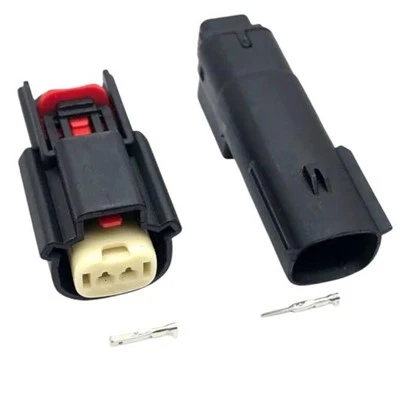
Automotive wiring harnesses form the core of the automotive electrical network, connecting the vehicle's electrical and electronic components and enabling them to function. Without wiring harnesses, there would be no automotive electrical system. Whether in high-end luxury cars or economy cars, the basic structure of wiring harnesses is the same: they consist of wires, connectors, and protective tape. They must ensure the transmission of electrical signals, guarantee the reliability of the connected circuits, supply the specified current to the electronic and electrical components, prevent electromagnetic interference to surrounding circuits, and eliminate electrical short circuits.
Functionally, automotive wiring harnesses can be divided into two types: power lines that carry power to drive actuators (operators) and signal lines that transmit input commands from sensors. Power lines are thick wires that carry high currents, while signal lines are thin wires that do not carry electricity (fiber optic communication). The larger the conductor cross-sectional area, the greater the current capacity. The selection of wires, besides considering electrical performance, is also constrained by the physical properties of the vehicle environment, thus the selection range is very wide. Wires used in high-temperature areas generally use vinyl chloride or polyethylene-coated wires with good insulation and heat resistance. In recent years, the use of electromagnetic shielded wires in weak signal circuits has also been increasing.
With the increasing functionality of automobiles and the widespread application of electronic control technology, there are more and more electrical components, and therefore more and more wires. The number of circuits and power consumption in automobiles have increased significantly, making wiring harnesses thicker and heavier. A major problem that needs to be solved is how to more effectively and rationally arrange a large number of wiring harnesses within the limited space of an automobile, so that the automotive wiring harnesses can play a greater role.