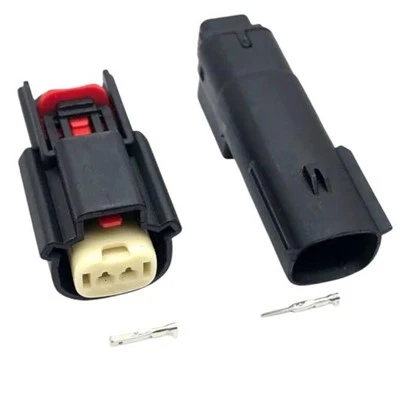
As the core component for achieving electrical connections, the performance of terminals directly determines the reliability, safety, and response speed of the entire electrical system. High-quality terminal blocks ensure stable power supply and overall performance of components, transmitting current and signals through the crimping area of the wire core.
Key technical indicators of terminals need to be verified through professional testing, mainly including electrical performance, mechanical performance, and environmental adaptability. Electrical performance tests include contact resistance testing, power frequency withstand voltage testing, impulse withstand voltage testing, voltage drop testing, temperature rise testing, and high and low temperature electrical performance testing.
Mechanical performance tests include torque testing, wire crimping reliability testing, pull-out testing, mechanical strength testing, and mechanical life testing. Environmental performance tests include packaging vibration testing, product vibration testing, material flame retardancy testing, aging resistance testing, alternating damp heat testing, and salt spray testing.
Terminal crimping is a key manufacturing process to ensure electrical and mechanical performance. Control parameters for crimping quality include crimp protrusion length, visibility of the wire core and insulation layer, and crimping height. Methods for judging the quality of terminal crimping include visual inspection, crimping height measurement, crimping profile analysis, and crimping retention force measurement.
Terminal materials and surface treatment technologies directly affect their performance. The choice of conductor materials (such as copper and its alloys) relates to conductivity and elasticity. Plating processes play a crucial role in corrosion resistance, oxidation resistance, wear resistance, and contact performance; common plating processes include tin plating, silver plating, and gold plating. Upgrading the plating process for contact terminals from traditional gold plating to palladium-nickel alloy composite plating can significantly improve wear resistance and service life.
Terminal technology is developing towards higher integration, intelligence, environmentally friendly materials, miniaturization, and high density. The upgrade in intelligence is reflected in the gradual popularization of integrated sensor terminals (such as temperature monitoring functions). Regarding environmentally friendly materials, lead-free plating and the application of biodegradable plastics comply with relevant standards. In terms of miniaturization, micro-terminals with a pitch of only 1.0 mm have been developed to meet the needs of intelligent devices and small sensors. Furthermore, future trends in connector technology include functional integration, co-evolution with electronic and electrical architectures, and sustainability becoming a key indicator.